2026 F1 Rules: A Beginner's Guide to the Big Changes
Felix Braun ·
Listen to this article~5 min
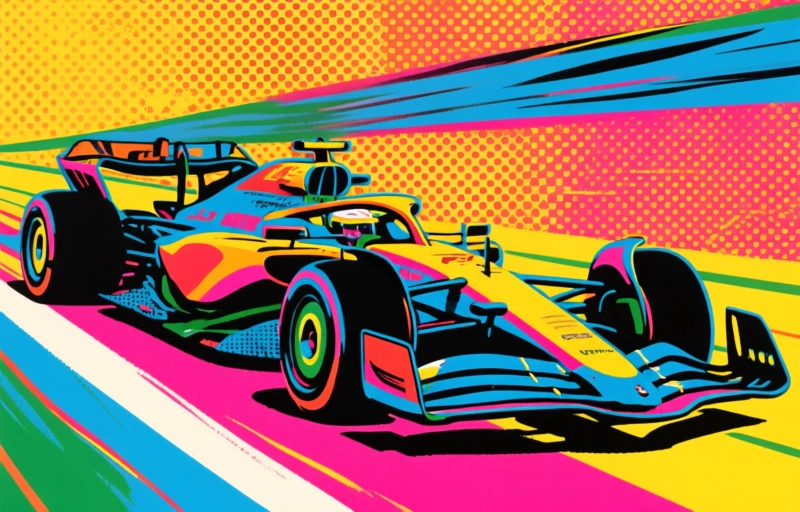
Get ready for the biggest rule change in F1 history. The 2026 regulations promise lighter cars, more electric power, and better racing. Here's everything a beginner needs to know.
The world of Formula 1 is gearing up for a massive shake-up in 2026. The new regulations aren't just a tweak here and there—they're a complete rethink of what an F1 car looks like, sounds like, and how it races. If you're just getting into the sport, don't worry. We'll break down the biggest changes in plain English.
### Why a new rulebook?
F1 updates its rules every few years to keep racing competitive and relevant. The 2026 regulations focus on three big goals: making cars lighter and more nimble, increasing the role of electric power, and improving wheel-to-wheel racing. The sport wants to stay exciting for fans while also pushing technology that matters for road cars.
Think of it like this: the current cars are incredibly fast, but they're also heavy and can struggle to follow each other closely. The 2026 rules aim to fix that.
### What's changing with the power unit?
The engine is getting a major overhaul. The new power units will have a nearly 50/50 split between the internal combustion engine and electric power. That's a huge jump from today. The electric motor will provide around 350 kilowatts (about 469 horsepower) on its own.
- The V6 engine will run on fully sustainable fuel.
- The MGU-K (the energy recovery system) gets much more powerful.
- Drivers can use more electric energy during a lap.
This shift means cars will be faster out of corners and more efficient overall. It's a big step toward a greener future for motorsport.
### Lighter and smaller cars
One of the biggest complaints from drivers and fans is that current F1 cars are too heavy. A 2025 spec car weighs around 1,760 pounds. The 2026 regulations aim to drop that by about 110 pounds. That might not sound like much, but in racing, every pound matters.
Cars will also be slightly shorter and narrower. This should make them more agile on tracks like Monaco or Singapore. The wheelbase is being reduced by about 8 inches, which helps with turning and tire management.
### Active aerodynamics for better racing
This is where it gets really interesting. The 2026 cars will have moveable aerodynamic parts, called "active aero." The front and rear wings can change shape depending on what the car is doing.
- On straights, the wings flatten to reduce drag and increase top speed.
- In corners, they pop up to generate more downforce for grip.
- There's also an "overtake mode" that gives a temporary speed boost.
Think of it like a bird adjusting its wings in flight. The goal is to make passing easier and races more unpredictable.
### What about the sound?
Let's be honest: fans love the roar of an F1 engine. The 2026 cars will still use a V6, but the exhaust note will change because of the increased electrical power. The engine will rev slightly lower, but the sound should still be distinctive. Early tests suggest it will be a bit more aggressive than the current hybrid era.
### How does this affect the racing?
The whole point of these changes is to make the show better. With lighter cars, active aero, and more electric power, drivers should be able to follow each other more closely without overheating their tires. That means more overtakes, more battles, and more excitement.
> "The 2026 regulations are the most significant change in a generation. They will redefine what it means to race in Formula 1." — FIA spokesperson
### When do these rules take effect?
The new regulations officially kick in for the 2026 season. Teams are already designing their cars around these rules. Testing will start in late 2025, with the first race under the new rules expected in March 2026.
### Final thoughts
If you're new to F1, 2026 is the perfect time to jump in. The sport is becoming more sustainable, more competitive, and more accessible. The cars will be faster in corners, more efficient on straights, and hopefully, the racing will be closer than ever.
Keep an eye on the teams that adapt quickly. History shows that those who nail the new rules first often dominate for years. It's going to be a wild ride.