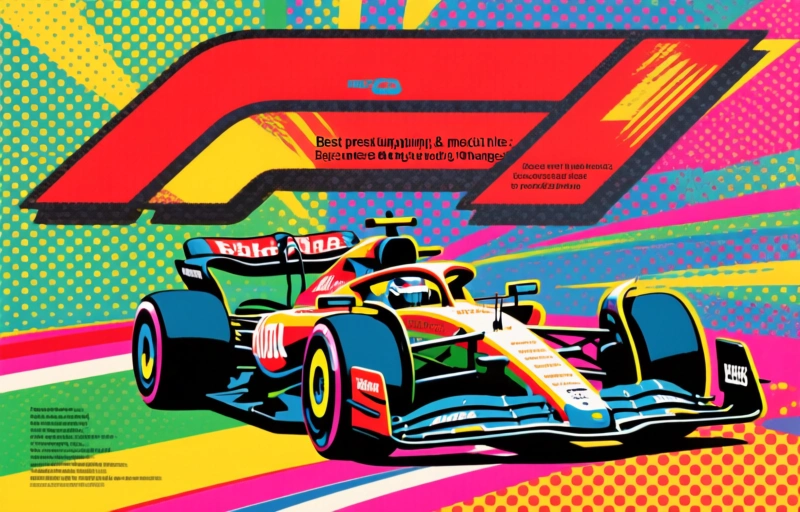
Discover the biggest changes coming to Formula 1 in 2026. From new hybrid engines and active aerodynamics to lighter, more nimble cars, this beginner's guide breaks down everything you need to know.
The world of Formula 1 is gearing up for a massive shake-up. The 2026 regulations are set to completely redefine how these cars look, sound, and race. If you're just getting into the sport or need a refresher, you're in the right place.
Let's break down what's coming. It's not just a small tweak; it's a full-blown revolution. The goal is to make racing closer, more sustainable, and even more exciting for fans.
### The Powertrain Revolution
The biggest shift is under the hood. The current hybrid engines are being replaced with a new, more powerful hybrid system. Think of it as a major upgrade from a standard hybrid car to a plug-in hybrid.
The new power unit will split the energy more evenly. About 50% will come from the internal combustion engine, and the other 50% from the electric motor. This is a huge jump from today's roughly 80/20 split. It means cars will rely much more on electric power, especially at low speeds.
### Active Aerodynamics: A Game Changer
Perhaps the most visible change will be the active aerodynamics. Cars will have movable front and rear wings to reduce drag on straights and increase downforce in corners. This is a bit like a bird adjusting its wings for different flight conditions.
- **On the straights:** The wings will flatten out, cutting drag and boosting top speeds to over 220 miles per hour.
- **In the corners:** The wings will pop up, creating massive downforce to stick the car to the track.
This system is designed to eliminate the dreaded "dirty air" problem. When a car follows another, it loses downforce. The active aero should help cars stay closer and actually fight for position, not just cruise around.
### Smaller, Lighter, More Nimble
The 2026 cars will be smaller and lighter than the current beasts. They're shedding about 110 pounds, bringing the minimum weight down to around 1,700 pounds. The wheelbase is also shrinking by about 8 inches.
This is a direct response to fan feedback. Many felt the current cars were too big and heavy, making them less agile. The new design should bring back that nimble, darting feel we saw in older generations of F1.
### Safety and Sustainability First
Safety isn't being left behind. The chassis will be even stronger, and the fuel will be 100% sustainable. This is a huge step for the sport's environmental goals. The engines will run on advanced synthetic fuels, which are carbon-neutral.
> "This is the most significant change to the technical regulations in decades," said one F1 engineer. "We're essentially designing a new sport from the ground up."
### What This Means for Fans
For you, the viewer, expect closer racing, more overtakes, and a fresh sound. The new engines will have a higher RPM and a different acoustic signature. It won't be the screaming V10s of the past, but it promises to be unique.
The 2026 regulations are a bold bet on the future. They aim to make F1 faster, greener, and more competitive. Whether you're a die-hard fan or a curious newcomer, it's going to be a wild ride.
So, get ready. The grid is about to look very different, and the racing is going to be anything but boring.