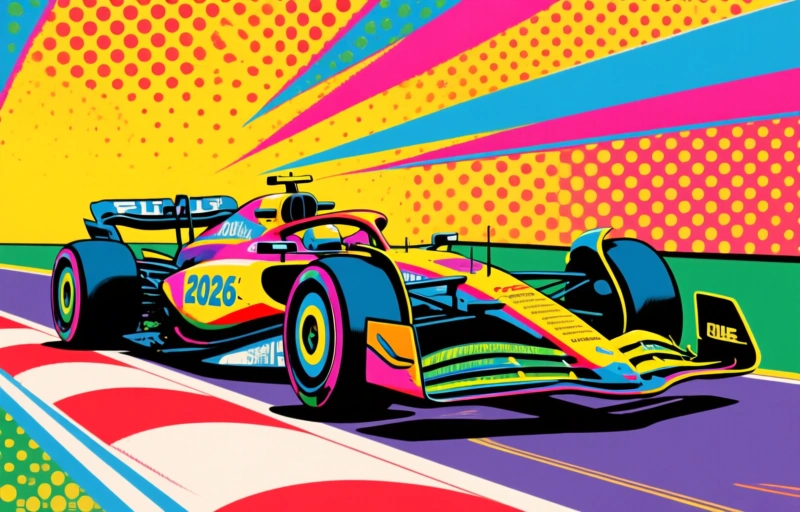
Formula 1's 2026 regulations bring lighter cars, active aerodynamics, and a bigger hybrid push. Here's what beginners need to know about the biggest rule changes in years.
Formula 1 is about to hit the reset button. The 2026 season brings the biggest regulation shake-up in years. If you're new to the sport or just want to understand what's coming, you're in the right place.
This isn't your typical technical deep dive. We're going to break down the key changes in plain English. No jargon, no fluff. Just the stuff you actually need to know.
### What's Changing Under the Hood?
The 2026 regulations focus on one big thing: making the cars lighter, smaller, and more agile. Current F1 cars are massive. They're over 16 feet long and weigh more than 2,200 pounds. That's a lot of machine to throw around a track.
Starting in 2026, cars will be about 8 inches shorter and roughly 70 pounds lighter. That might not sound like much, but in racing, every pound matters. Lighter cars mean faster cornering, better braking, and more exciting races.
The engine rules are changing too. The hybrid power unit gets a major overhaul. The electric part of the engine will produce nearly 50% of total power. That's a huge jump from today's setup. But don't worry - they're not going fully electric. The V6 engine stays, just with a bigger battery boost.
### Active Aero: The Wing Game Changer
Here's where things get really interesting. For the first time, F1 cars will have active aerodynamics. That means the wings can move and change shape while the car is racing.
- On straights, the rear wing opens up to reduce drag. This helps cars reach higher top speeds.
- In corners, the wing closes to create downforce. That keeps the car stuck to the track.
- Drivers get a boost mode for overtaking. It's like having a secret weapon when you need to pass someone.
This system replaces the old DRS (Drag Reduction System). The new setup is more flexible and should create better racing. You'll see cars able to follow each other more closely without losing performance.
### Safety Gets Smarter
F1 has always been serious about safety, but the 2026 rules take it further. The chassis has to pass even tougher crash tests. The halo device - that titanium bar above the driver's head - gets reinforced.
There's also a new focus on driver protection in side impacts. The side structures of the car are getting beefed up. And the fuel cell (the part that holds the gasoline) has to meet stricter standards.
All of this means the cars are safer than ever. That's good news for drivers and fans alike.
### What This Means for the Racing
The goal of these changes is simple: make the racing closer and more unpredictable. With lighter cars and active aero, you'll see more passing and fewer processional races.
Teams that adapt fastest will have an edge. That's always been the F1 way. Some teams will nail the new rules right away. Others will take time to catch up. That's what makes the sport so compelling.
> "The 2026 regulations are the most significant change in F1's history. They will redefine how the cars look, sound, and race." - F1 Technical Director
### Budgets and Competition
There's also a cost cap in place to keep things fair. Teams can't spend more than $135 million per season. That levels the playing field. Smaller teams now have a real shot at competing with the big guys.
For fans, this means more teams fighting for wins. No more one-team dominance for years on end. The sport is getting more competitive, and that's exactly what everyone wants.
### Final Thoughts
The 2026 regulations are a big deal. They're designed to make F1 more exciting, safer, and more sustainable. If you're a beginner, now is the perfect time to start watching. You'll get to see the sport reinvent itself in real time.
Keep an eye on the testing sessions. Watch how the teams adapt. And most importantly, enjoy the ride. The next era of F1 is going to be something special.
Want to stay updated on the latest F1 news? Follow the developments as we get closer to 2026. There's a lot more to come.