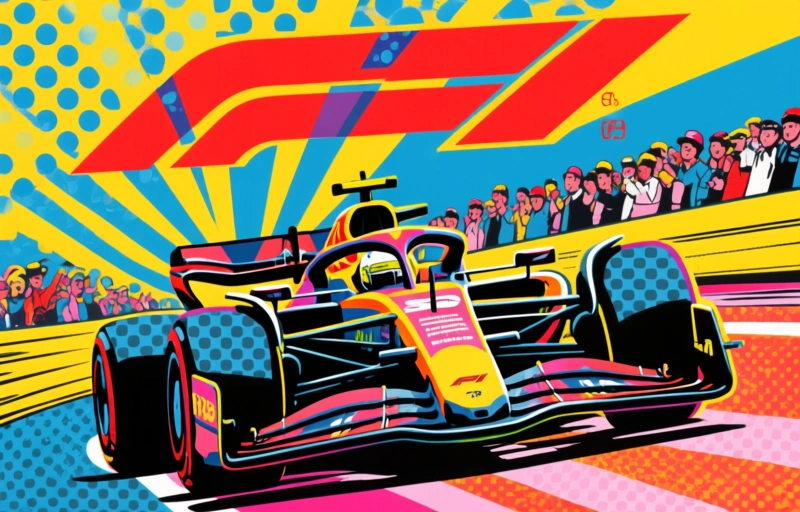
Discover what the 2026 Formula 1 regulations mean for fans and teams. From new hybrid engines to lighter cars and active aerodynamics, here's your beginner's guide to the biggest F1 reset in decades.
So you've heard the buzz about the 2026 Formula 1 regulations and you're curious what all the fuss is about. You're not alone. Every few years F1 shakes things up and this next reset is shaping up to be one of the biggest yet. Let me break it down for you in plain English.
### What's Changing Under the Hood?
The biggest news for 2026 is the new power unit formula. The current hybrid engines have been around since 2014 and they're incredible pieces of engineering. But they're also heavy and complex. The new rules aim to simplify things while keeping the sport cutting-edge.
Here's what you need to know:
- The new engines will have a nearly 50/50 split between internal combustion and electric power. That means more electrical horsepower than ever before.
- The V6 engine stays but the MGU-H is gone. That's the part that recovers energy from the turbo. It's being removed to reduce complexity and cost.
- The battery output jumps from 120 kW to 350 kW. That's a massive leap in electrical power.
These changes mean cars will be lighter and more agile. Think less of a heavy hybrid and more of a nimble electric-assist machine.

### How Will the Cars Look Different?
The 2026 cars will look noticeably different from today's machines. The biggest visual change is the active aerodynamics. You'll see movable front and rear wings that adjust during the race. This is designed to reduce drag on straights and increase downforce in corners.
Another key change is the size and weight. The wheelbase will be shorter by about 8 inches and the overall car weight will drop by roughly 70 pounds. That might not sound like much but in F1 terms it's a huge shift.
"The 2026 regulations are a fundamental reset for Formula 1. We're moving to a more sustainable and spectacular form of racing."
### Why Does This Matter for Fans?
For fans the 2026 regulations promise closer racing. The active aero should make it easier for cars to follow each other without losing downforce. That means more overtaking and more wheel-to-wheel action. Plus the lighter cars should be faster through corners and more responsive on the brakes.
There's also a focus on sustainability. The new engines will run on 100% sustainable fuel. That's a big step for the sport and aligns with broader trends in the automotive world.
### What About Costs?
The cost cap is staying in place and the new regulations are designed to keep spending under control. Teams will have a limited budget for development and many parts will be standardized. This should level the playing field and keep the sport competitive.
Some estimates suggest the cost of developing a 2026 engine could be around $15 million per season. That's a lot of money but it's significantly less than what teams were spending on the current engines.
### When Will We See These Cars?
The new regulations kick in for the 2026 season. That means the first race with the new cars will be in March 2026. Teams are already working on their designs and we should start seeing test mules on track in late 2025.
If you're planning to watch the 2026 season you're in for a treat. The cars will be faster more sustainable and hopefully more exciting to watch. It's a new era for Formula 1 and it's going to be fascinating to see how it plays out.