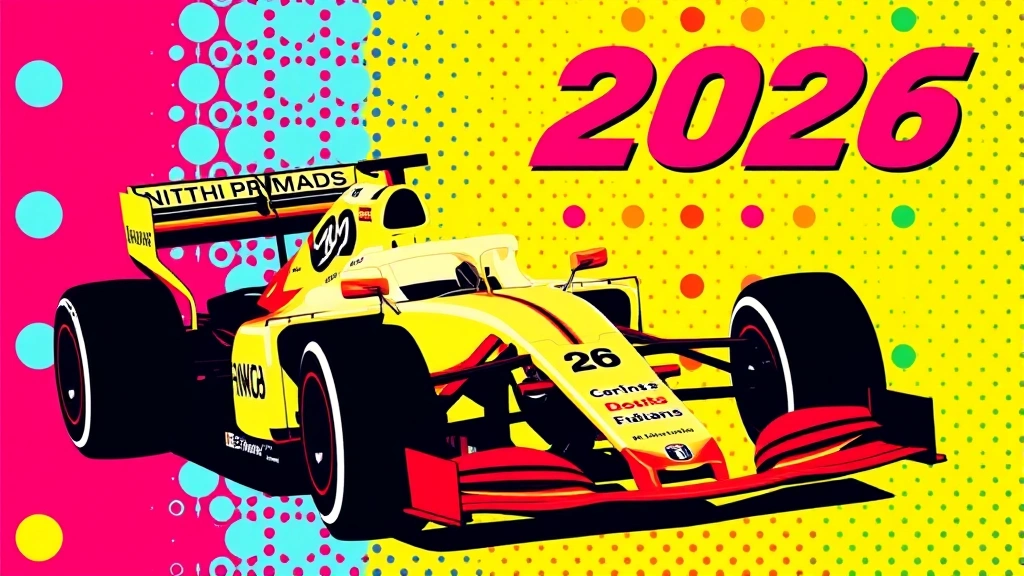
Discover the key changes in the 2026 Formula 1 regulations, from hybrid powertrains and active aerodynamics to lighter cars and enhanced safety. A simple guide for new fans.
### What to Expect from the 2026 F1 Rules
The world of Formula 1 is about to shift gears in a big way. If you've been following the sport, you know that 2026 brings a whole new set of regulations. It's not just a tweak here and there—it's a complete overhaul. Think of it like upgrading from a reliable sedan to a hybrid supercar. The core idea is to make racing more competitive, sustainable, and exciting for everyone watching.
For beginners, this might sound intimidating. But don't worry. We're going to break it down into simple pieces. You'll understand exactly what's changing and why it matters.
### The Big Shift: More Power, Less Fuel
The most talked-about change is the powertrain. The new engines will split power almost evenly between a 1.6-liter V6 internal combustion engine and a much stronger electric motor. That's a massive jump in hybrid technology. Currently, the electric part provides about 160 horsepower. By 2026, it's expected to deliver around 470 horsepower. Combined, the total output could hit over 1,000 horsepower.
But here's the twist: the cars will use 100% sustainable fuel. This means no net carbon emissions from the fuel itself. It's a huge step toward greener racing. Teams will have to balance raw speed with energy management. It's not just about who's fastest in a straight line anymore. It's about who can save and deploy energy smartly.
### Lighter, Smaller, and More Agile Cars
Another major change is the car's size and weight. Current F1 cars are beasts—they weigh over 1,700 pounds and are nearly 18 feet long. That makes them heavy and sometimes clumsy in tight corners. The 2026 regulations aim to trim that down. The new cars will be lighter by about 100 pounds. They'll also be shorter and narrower.
Why does this matter? Lighter cars are easier on tires and consume less energy. They also make racing more dynamic. Drivers can push harder without worrying as much about tire degradation. Expect more side-by-side action and fewer processional races.
### Active Aerodynamics: A Game Changer
One of the coolest innovations is active aerodynamics. Right now, F1 cars have fixed wings that create downforce. That's great for cornering but hurts speed on straights. The 2026 rules introduce movable front and rear wings. Drivers can switch between a high-downforce mode for corners and a low-drag mode for straights.
Imagine flipping a switch that changes how your car behaves instantly. That's what drivers will do. This should make overtaking easier. When a car is within one second of the car ahead, it can activate its low-drag mode. That's a big boost for passing. It's like having a temporary speed advantage.
### Safety Gets Even Smarter
Safety is always a priority in F1. The 2026 cars will feature even stronger chassis and improved crash structures. The halo device, which protects the driver's head, will be reinforced. There's also a new standard for side-impact protection. These updates come from lessons learned in recent crashes.
Additionally, the cars will have better fire suppression systems and improved driver extraction procedures. The goal is to make the cockpit as safe as possible. It's not flashy, but it's vital.
### What This Means for Fans
If you're new to F1, these changes make the sport more accessible. The racing should be closer, the strategies more varied, and the technology easier to understand. The 2026 regulations are designed to create a spectacle. More overtakes, less fuel-saving, and a focus on driver skill.
Teams will have to rethink everything—from engine design to chassis layout. That means the playing field might level out. Smaller teams could surprise the big names. It's an exciting time to start following Formula 1.
### A Quick Summary of Key Points
- **Engines**: 50/50 split between V6 and electric, with 100% sustainable fuel.
- **Power**: Over 1,000 horsepower, with electric motor providing 470 hp.
- **Weight**: Cars will be about 100 pounds lighter.
- **Size**: Shorter and narrower for better racing.
- **Aerodynamics**: Active front and rear wings for adjustable downforce.
- **Safety**: Stronger chassis, improved halo, better fire suppression.
### Final Thoughts
The 2026 regulations are a bold move. They aim to keep F1 at the cutting edge of technology while making it more sustainable and exciting. For beginners, it's the perfect time to jump in. The sport is evolving, and you'll get to witness a new era from the start. Keep an eye on testing updates and team announcements. The countdown to 2026 has already begun.