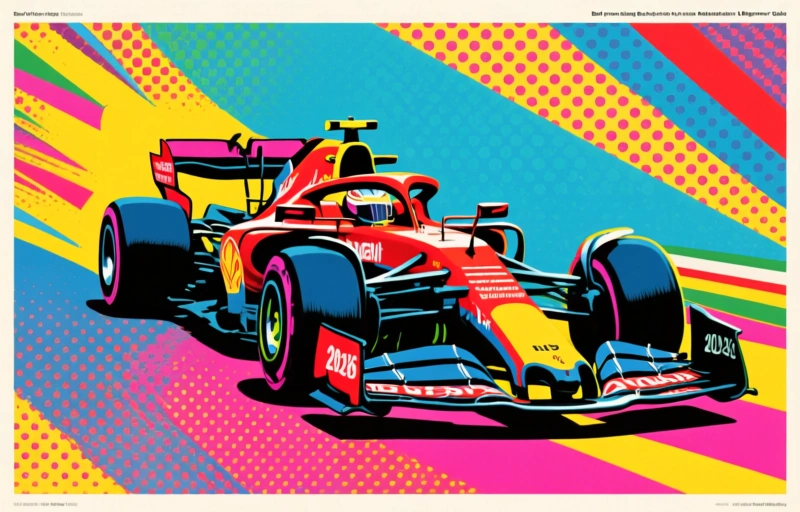
A clear, jargon-free guide to the 2026 Formula 1 regulations. Learn about the new power units, active aerodynamics, lighter cars, and sustainable fuel. Perfect for beginners and fans who want to understand the biggest changes in F1 history.
If you've been following Formula 1, you know the sport is always evolving. The 2026 season is set to bring some of the biggest changes we've seen in years. Think of it as a complete reboot for the cars, the engines, and even the racing itself.
This guide breaks down everything you need to know. No jargon, no fluff. Just a clear look at what's coming and why it matters. Let's dive in.
### The Big Picture: Why Change?
F1 isn't just about speed. It's about staying relevant. The 2026 regulations aim to make the sport more sustainable, more competitive, and more exciting for fans. The goal is closer racing, lower costs, and a greener future.
It's a big shift. But change is what keeps F1 fresh. And honestly, it's about time.
### The New Power Units: More Electric, Less Fuel
The biggest change is under the hood. The 2026 power units will keep the V6 engine, but the hybrid system gets a major upgrade. The electric motor will provide nearly half the total power. That's a huge jump from today.
Here's what that means:
- **More electric power:** The MGU-K (the electric motor) will produce around 350 kW. That's about 470 horsepower.
- **Less fuel:** The internal combustion engine will run on 100% sustainable fuel. No more fossil fuels.
- **Simpler design:** The complex MGU-H is being dropped. This saves money and makes the engines easier to develop.
This shift changes how teams approach strategy. You'll see more overtaking on electric power alone. It's a whole new ballgame.
### Chassis and Aero: Smaller, Lighter, Faster
The cars themselves are getting a makeover. They'll be smaller and lighter than the current beasts. That's good news for everyone.
- **Reduced weight:** The minimum weight drops by about 110 pounds. That makes the cars more agile.
- **Smaller dimensions:** The wheelbase is shorter. The cars will look more like classic F1 machines.
- **Active aerodynamics:** This is a big one. The front and rear wings will adjust automatically. On straights, they'll flatten to reduce drag. In corners, they'll create downforce for grip.
Active aero is a game-changer. It allows for more overtaking without sacrificing corner speed. The racing should be much closer.
### Safety and Sustainability: A Priority
Safety is always a focus, and 2026 is no different. The chassis will be even stronger. The Halo device stays, but it's being refined.
On the sustainability front, the switch to 100% sustainable fuel is huge. It means the cars can race without adding to carbon emissions. The sport is showing it can be both thrilling and responsible.
"The 2026 regulations are the most significant technical shift in a generation," said a leading engineer. "It's not just an evolution. It's a revolution."
### What This Means for Fans
If you're a casual fan, don't worry. The racing will still be loud, fast, and dramatic. But it will also be smarter. You'll see more battles, more strategy, and more drama.
For hardcore fans, there's a lot to study. The new power units, active aero, and lighter cars will change how teams approach every race weekend. It's a fresh start.
### The Bottom Line
The 2026 regulations are a bold step forward. They make F1 more sustainable, more competitive, and more exciting. If you've been thinking about getting into the sport, now is the perfect time.
Keep an eye on the testing sessions. Watch how the teams adapt. And get ready for some incredible racing. The future of Formula 1 is looking bright.