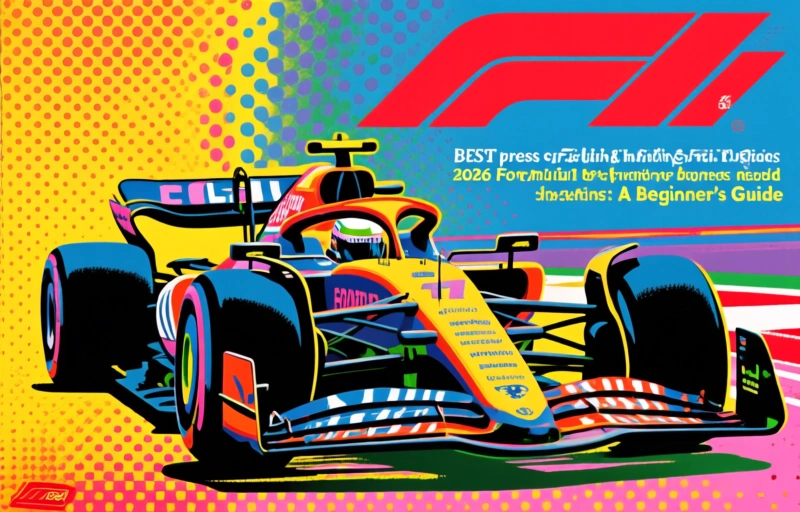
Formula 1's 2026 regulations bring a 50/50 electric-gas split, active aerodynamics, and lighter, narrower cars. Here's everything beginners need to know about the biggest shake-up in F1 history.
Formula 1 is gearing up for a massive shake-up in 2026, and honestly? It's about time. The new regulations promise to change everything from how the cars look to how they sound. If you're new to F1 or just need a refresher on what's coming, you're in the right place.
### What's Changing Under the Hood?
The biggest news is the powertrain. For 2026, F1 is ditching the old hybrid system for something way more electric. The new power units will split the energy roughly 50/50 between the internal combustion engine and the electric motor. That's a huge jump from today's setup.
Here's what that means for performance:
- More electric power means faster acceleration out of corners.
- The V6 engine stays, but it'll run on fully sustainable fuel.
- Drivers will get a manual override to deploy extra electric power during qualifying laps.
It's a bold move. But it also means the cars will be lighter and more nimble, which is exactly what fans have been asking for.
### The Cars Will Look Completely Different
Aerodynamics are getting a total rewrite. The 2026 cars will be narrower and shorter than the current beasts. Think about 8 inches narrower and about 6 inches shorter wheelbase. That might not sound like much, but on track, it'll make a world of difference.
The front and rear wings will be simpler too. Active aerodynamics will allow the wings to adjust during the race. On straights, they'll flatten out to reduce drag and boost top speed. In corners, they'll pop back up for maximum downforce. It's like having two cars in one.
### Safety Gets a Serious Upgrade
F1 has always pushed safety forward, and 2026 is no exception. The chassis will be even stronger, with improved crash structures at the front and rear. The halo device gets an update too, making it tougher without adding much weight.
Drivers will also benefit from better cockpit cooling. That might sound minor, but when you're pulling 5 Gs in 120-degree heat inside the car, every bit helps.
### What This Means for Racing
The goal here is closer, more exciting racing. With active aero and more electric power, drivers should be able to follow each other more closely without overheating their tires. That means more overtakes and less of the "processional" races fans complain about.
Teams will have to rethink their strategies completely. Tire management, energy deployment, and aero modes will all play bigger roles. It's going to be a chess match at 200 miles per hour.
### The Bottom Line
2026 is a reset for Formula 1. The rules are designed to make the sport more sustainable, more competitive, and more exciting. For beginners, it's the perfect time to jump in. You won't have to play catch-up with years of history. Everything starts fresh.
"The 2026 regulations represent the biggest technical change in F1 history," said one engineer close to the project. "It's not just an evolution. It's a revolution."
Whether you're a die-hard fan or just curious, keep an eye on 2026. It's going to be wild.