5 Bizarre Olympic Sports That Actually Happened
Felix Braun ·
Listen to this article~5 min
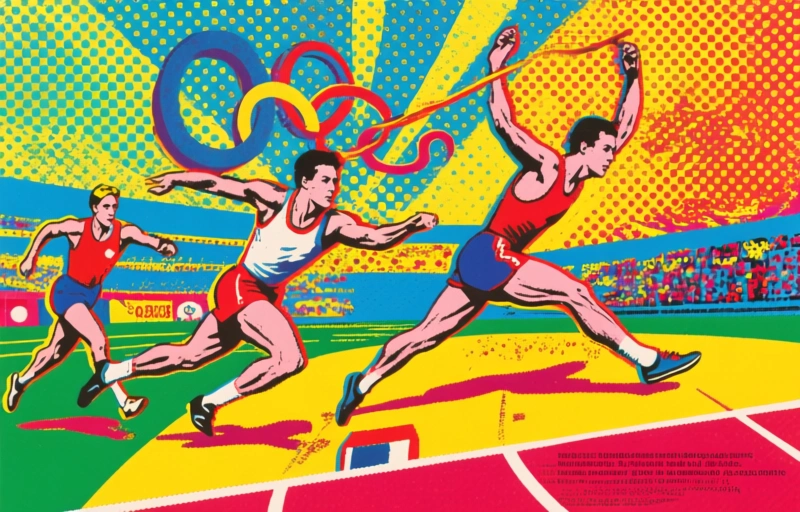
The Olympic Games have a secret history of bizarre events. From Tug of War to Live Pigeon Shooting, discover five strange sports that were once part of the world's biggest athletic competition.
You know the Olympics. You've seen the swimming, the gymnastics, the track and field. But what if I told you the Games have a secret history? A weird, wonderful, and frankly bizarre collection of events that made the cut, then got cut.
It's true. The Olympic program hasn't always been so... predictable. In the quest for global appeal and sometimes just pure novelty, the International Olympic Committee has given the green light to some head-scratchers. Let's dive into five of the strangest sports that were once Olympic events. You won't believe some of these.
### Tug of War: The Original Team Power Struggle
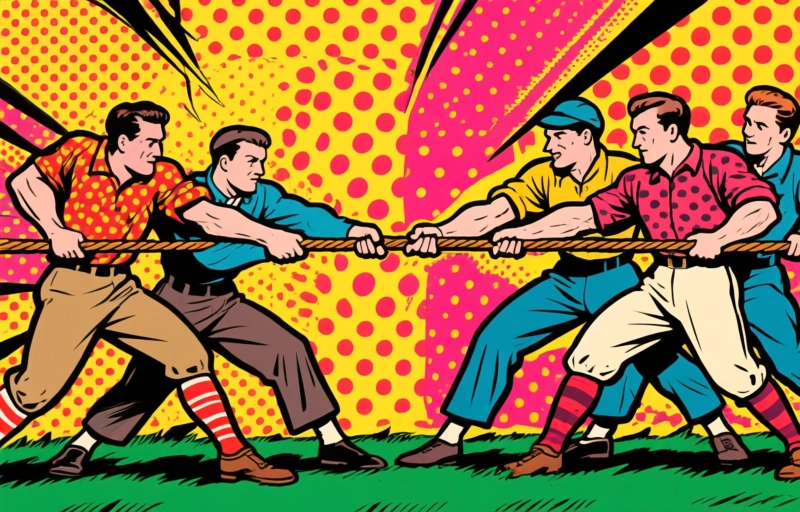
Yes, you read that right. From 1900 to 1920, Tug of War was a full-fledged Olympic sport. It wasn't just a picnic game. Teams of eight would dig in their heels on grass, cinder, or even sand, pulling with all their might. The rules were surprisingly complex, with matches often lasting until one team was dragged six feet.
It was a serious test of raw strength and coordination. The event even saw some controversy, like the 1908 Games where the American team accused the British Liverpool Police team of wearing illegal reinforced boots. They withdrew in protest. Imagine that level of drama over a rope pull.
### Live Pigeon Shooting: A Dark Chapter
This one is hard to even comprehend today. The 1900 Paris Olympics featured an event called "Live Pigeon Shooting." As the name brutally implies, live birds were released, and competitors shot them. The winner was the marksman who shot the most birds before missing twice.
Nearly 300 birds were killed during the event. It was the only time in Olympic history where animals were deliberately killed for sport. The event was swiftly discontinued, replaced by clay pigeon shooting, which began in 1900 as well. It remains a stark reminder of how much societal norms and the Olympic spirit have evolved.
### Solo Synchronized Swimming: The Ultimate Contradiction
Think synchronized swimming requires a partner? Not always. In 1984, 1988, and 1992, the Olympics featured a solo event. Athletes performed intricate routines alone, perfectly timed to music, judged on their technical merit and artistic impression.
It was a strange sight. The essence of "synchronization" was with the music, not another person. The event was eventually dropped, likely because the core of the sport is the partnership and team dynamics. Still, it gave us some unforgettable, if slightly lonely, performances.
### Rope Climbing: A Gymnastic Relic
Today's gymnasts flip and fly. From 1896 to 1932, they also shimmied up ropes. Rope climbing was a gymnastics event, judged on speed and style. Athletes had to climb a 25-foot rope using only their hands and arms—no legs allowed.
It was a pure test of upper-body strength. The world record was an astonishing 2.8 seconds. The event faded as gymnastics evolved to emphasize agility and artistry over this specific type of brute strength. You have to wonder if today's athletes could match those blistering times.
### Hot Air Ballooning: The Sky-High Event
Believe it or not, the organizers of the 1900 Paris Games considered aeronautics a sport. They awarded prizes for hot air ballooning in categories like distance traveled and altitude reached. It's often listed among the unofficial "demonstration" events of those chaotic early Games.
While not always counted in the official medal tally, it perfectly captures the experimental spirit of the era. They were trying to celebrate human achievement in all its forms, even if it meant floating peacefully across the French countryside.
So, what's the takeaway here? The Olympic Games are a living tradition. They change with the times. Sports come and go, reflecting what we value in competition, spectacle, and athleticism. Some of these oddities were dangerous. Some were just out of step. But they all add a rich, quirky layer to the history of the world's greatest sporting event.
Next time you watch the Olympics, just remember: it could have been weirder. And honestly, part of me misses that.