AI Media Monitoring: Modern Clipping or Surveillance?
Felix Braun ·
Listen to this article~4 min
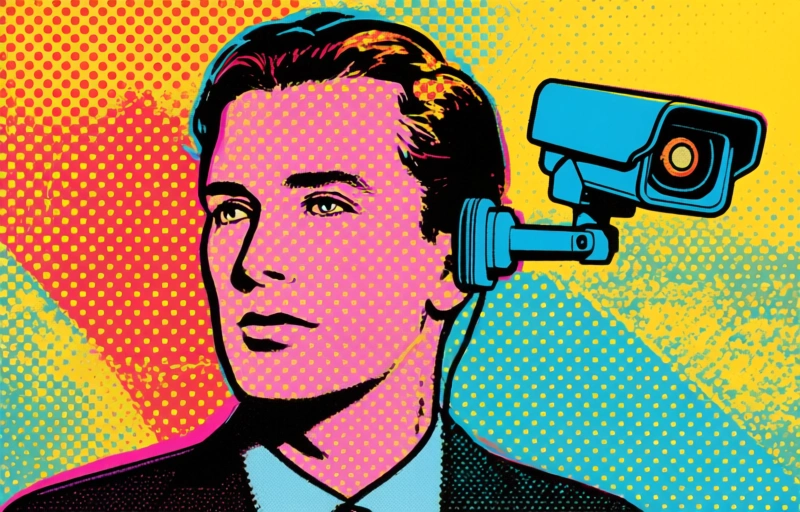
Explore the debate around AI-powered media monitoring tools. Are they modern clipping services or surveillance systems? Learn what this means for PR professionals and ethical communication practices.
So the government says it's not spying on journalists. They're calling it "modern clipping" instead. Sounds fancy, right? But when you peel back the layers, it gets pretty interesting. Let's talk about what this really means for media monitoring today.
We've all seen how technology has changed. Remember when clipping meant literally cutting articles from newspapers? Those days are long gone. Now we've got algorithms scanning millions of posts in seconds. The question isn't whether we should use these tools—it's how we use them responsibly.
### What Modern Clipping Really Means
Modern clipping isn't about scissors and glue anymore. It's about artificial intelligence tracking mentions across platforms. Think about it—social media, news sites, forums, blogs. All that data flowing constantly. AI can analyze sentiment, track trends, and identify key voices in any conversation.
But here's the thing: there's a fine line between monitoring and surveillance. When does tracking public sentiment become watching individuals? That's where the debate gets heated. The government insists they're just keeping tabs on public discourse, not specific journalists. Critics aren't so sure.
### The Tools Changing the Game
Let's look at what's actually happening in media monitoring today:
- **AI-powered sentiment analysis** that reads between the lines
- **Real-time alert systems** that ping you when your brand gets mentioned
- **Competitor tracking** that shows who's talking about what
- **Influence scoring** that identifies key voices in any conversation
These tools aren't cheap either. Enterprise solutions can run from $500 to $5,000 per month depending on features. But for PR professionals and communications teams, they're becoming essential. The challenge is using them ethically.
### Finding the Balance
One industry veteran put it well: "The best monitoring tools give you insight without intrusion. They help you understand the conversation without becoming part of it in creepy ways."
That's the balance we need to strike. Tools should help organizations respond to public sentiment, not manipulate it. They should identify trends, not track individuals. And transparency matters—people should know when and how they're being monitored in public spaces.
### What This Means for Professionals
If you're in PR, marketing, or communications, this affects you directly. Your monitoring tools are getting more powerful every day. The question is how you use that power. Are you listening to understand? Or are you watching to control?
Here's my take: Good monitoring builds relationships. It helps you respond to concerns before they become crises. It shows you what matters to your audience. Bad monitoring? That breeds distrust and damages reputations.
The tools themselves aren't good or bad—it's all about intention. Are you using AI to serve your audience better? Or just to gather intelligence? That distinction matters more than any technical capability.
### Looking Ahead
This conversation isn't going away. As AI gets smarter, the lines will keep blurring. Regulations will try to catch up. But ultimately, it comes down to ethics. How do we harness these powerful tools without crossing lines?
For now, keep this in mind: The best monitoring starts with respect. Respect for privacy, for boundaries, for the people behind the data points. Get that right, and the technology becomes a tool for connection rather than control.
What do you think? Where should we draw the line with modern media monitoring?