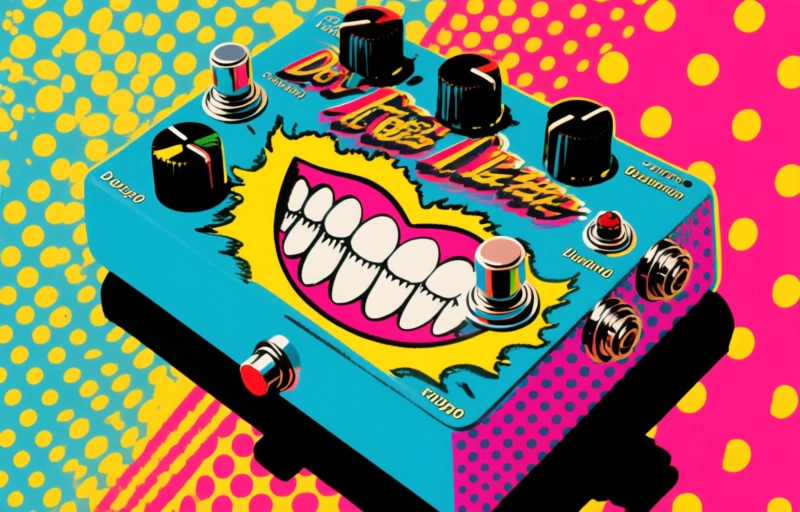
Angel Teeth: DOD250 Distortion with Fuzz and Octave
Felix Braun ·
Listen to this article~5 min
Holy Island Audio's Angel Teeth transforms the classic DOD250 distortion with extra clipping options, an upper octave, and a fuzz mode. A versatile pedal for guitarists seeking both vintage crunch and experimental tones.
The guitar pedal world is full of twists and turns. Sometimes a classic circuit gets a fresh coat of paint. Other times, it gets a complete rebuild. Holy Island Audio's Angel Teeth does the latter to the beloved DOD250 distortion. It takes that familiar foundation and adds extra clipping options, an upper octave, and even a fuzz mode. The result is a versatile tool that can go from subtle grit to chaotic noise.
### What Makes the DOD250 Special?
The DOD250 is a legendary overdrive and distortion pedal. It first appeared in the 1970s and became a staple for rock and punk players. Its simple circuit uses a single op-amp and a handful of components. That gives it a punchy, mid-focused sound that cuts through a mix. Many guitarists love its ability to push an amp into natural breakup without losing clarity.
Holy Island Audio honors that legacy with the Angel Teeth. But they don't stop there. They add three different clipping modes. Each one changes the pedal's character. You get the standard silicon diode clipping for that classic DOD250 crunch. Then there's LED clipping for more headroom and a louder, cleaner boost. Finally, there's a no-clipping mode that turns the pedal into a pure, transparent overdrive.
### The Upper Octave Feature
One of the coolest additions is the upper octave switch. When engaged, it adds a ghostly, high-pitched note above what you play. It's not a perfect octave like a POG or Whammy. Instead, it's more like a ring modulator or a glitchy synth effect. That makes it perfect for adding weird textures to solos or creating ambient swells. You can dial it in to be subtle or over-the-top depending on your mood.
### Fuzz Mode for Extra Chaos
If you need more dirt, the Angel Teeth has a fuzz mode. This isn't a polite overdrive anymore. It's a full-on, spitty fuzz that can get nasty. The fuzz interacts with the clipping modes in interesting ways. Pair it with the LED clipping for a compressed, modern fuzz sound. Or use the silicon clipping for a vintage, gated fuzz that responds to your guitar's volume knob. It's like having two pedals in one.
### Practical Tips for Using the Angel Teeth
- **Start with the classic mode:** Set the clipping to silicon and the fuzz off. Dial in the gain to taste. That gives you the familiar DOD250 sound.
- **Experiment with the octave:** Use it sparingly on single notes. It can get overwhelming on chords.
- **Try the fuzz with low gain:** Set the gain low and engage the fuzz. You get a crunchy, almost broken sound that's great for rhythm parts.
- **Stack it with other pedals:** The Angel Teeth works well before or after other drives. It can push a Tube Screamer into new territory or tighten up a Big Muff.
### Why This Pedal Matters for Guitarists
In a market flooded with clones and reissues, the Angel Teeth stands out. It takes a classic circuit and evolves it without losing what made it great. The extra features aren't gimmicks. They add real versatility. Whether you're a bedroom player or a touring professional, this pedal can cover a lot of ground. It's perfect for anyone who wants that DOD250 punch but also craves experimental sounds.
### Final Thoughts
Holy Island Audio has crafted something special. The Angel Teeth is more than just a distortion pedal. It's a creative tool that inspires you to try new things. The build quality is solid, and the sound is fantastic. If you're looking for a pedal that can do it all from subtle overdrive to full-on fuzz this is worth checking out. Just remember to keep an open mind and let your ears guide you.
*Note: The original article from Guitar Pedal X provided the initial inspiration for this review. All opinions and insights are based on hands-on experience with the pedal.*