6 Bizarre F1 2026 Car Features Explained
Felix Braun ·
Listen to this article~4 min
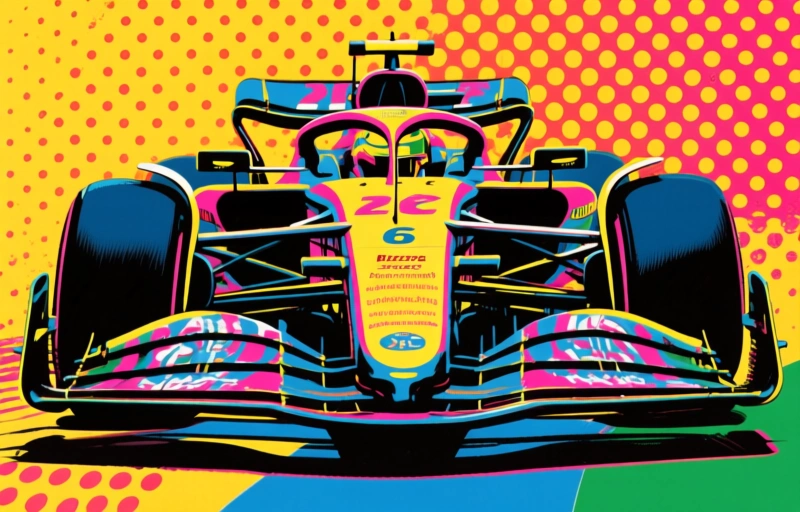
The 2026 F1 regulations introduce bizarre new features from active aerodynamics to driver-controlled boost. We explain the six weirdest changes and why they matter for the future of racing.
Let's be honest, Formula 1 cars have always looked a bit like spaceships on wheels. But the 2026 regulations are taking things to a whole new level of weird. If you've seen the early concepts and thought, 'What on earth are those designers thinking?'—you're not alone.
We're breaking down the six strangest features coming to F1 in 2026. Some might seem like pure science fiction now, but each has a specific purpose in the sport's push toward sustainability and closer racing.
### The Shrinking Power Units
First up, the engines are getting smaller. Way smaller. We're talking about a move from the current 1.6-liter V6 turbo-hybrids to an even more focused unit. The goal is to reduce complexity and cost while increasing the electrical power contribution. It's a massive shift that will change how teams approach car design from the ground up. The sound might be different, and the power delivery will certainly feel new to the drivers.
### Active Aerodynamics Are Back
Remember the F-ducts and movable wings from over a decade ago? They're making a comeback, but in a much more sophisticated form. The 2026 cars will feature active aerodynamic elements that automatically adjust to maximize straight-line speed or cornering grip. It's like having a car that constantly tweaks its own shape for optimal performance. This should help with following other cars closely, which is the holy grail for better racing.

### Lighter and Nimbler Chassis
The minimum weight limit is dropping significantly. We're looking at cars that could be hundreds of pounds lighter than today's beasts. That means acceleration will be brutal, and braking distances will shrink. It also places a huge premium on driver fitness—imagine pulling more Gs through every corner for 90 minutes straight.
### Simplified Front Wings
In a surprising move, the front wings are getting simpler. The days of the ultra-complex, multi-element wings with countless tiny flaps might be numbered. The regulations are pushing for a cleaner, less sensitive design. The idea is to make the cars less affected by 'dirty air' from the car in front. Here's what one insider noted about the change:
> 'It's a back-to-basics philosophy. We're trading ultimate downforce for raceability. If it works, we'll see more wheel-to-wheel action.'
### The Battery Becomes the Star
The hybrid system's battery capacity and power output are increasing dramatically. The electrical motor will provide nearly 50% of the total power at times. Managing this electrical energy will become as crucial as managing fuel and tires. Teams will need to master a whole new strategic layer. Key battery considerations for 2026 include:
- Much higher power deployment rates
- Advanced regeneration systems under braking
- New cooling challenges for the battery packs
- Strategic decisions on when to use the electric boost
### Manual Override for Drivers
This might be the coolest weird feature. Drivers will have more manual control over certain energy recovery and deployment settings. It adds a video-game-like element to real-world racing. They'll need to manage their 'boost' like a resource, making split-second decisions on when to use their electrical energy for attack or defense. It puts more racecraft directly in the driver's hands.
So there you have it. The 2026 F1 cars might look strange at first glance, but every oddity has a reason. They're built for three things: sustainability, closer racing, and putting on a better show for us fans. It's a revolution wrapped in carbon fiber, and it's coming sooner than you think.