Clipping and Open Mike Eagle: Experimental Hip-Hop Insights
Felix Braun ·
Listen to this article~4 min
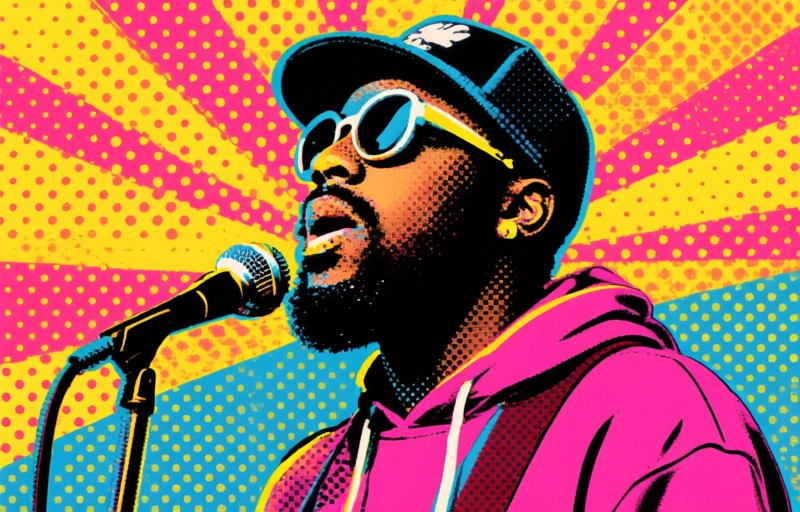
Exploring the compelling artistic intersection between experimental hip-hop acts Clipping and Open Mike Eagle. Discover why this pairing highlights innovation, narrative depth, and the diverse future of the genre.
Hey there, fellow music enthusiasts. Let's talk about something that's been buzzing in the experimental hip-hop scene. You know how sometimes you stumble upon an artist pairing that just makes perfect, unexpected sense? That's the feeling I get when I think about Clipping and Open Mike Eagle sharing a stage or a conversation.
It's not your typical mainstream collaboration, and that's exactly what makes it so compelling. These are artists who've carved their own paths, building dedicated followings by refusing to follow the usual playbook. They're thinkers as much as they're musicians, and that depth comes through in everything they create.
### What Makes This Pairing So Interesting
Think about it for a second. On one side, you've got Clipping—this intense, industrial, noise-rap trio that creates these immersive, often dystopian soundscapes. Their music isn't just something you listen to; it's an experience that can feel cinematic and claustrophobic all at once. Daveed Diggs's rapid-fire delivery cuts through layers of static and distortion in a way that's genuinely unique.
Then there's Open Mike Eagle. His approach is more conversational, more introspective. He's a master of observational humor and sharp cultural commentary, wrapping complex ideas in deceptively smooth flows. He makes the personal feel universal, tackling everything from artistic identity to the absurdities of modern life.
At first glance, they might seem like opposites. But dig a little deeper, and you'll find common ground in their shared commitment to artistic integrity and narrative. Both acts prioritize concept and storytelling over chasing trends. They're not afraid to be challenging or to ask their listeners to lean in and really pay attention.
### The Value of Artistic Conversations
When artists like this come together—whether for a show, a panel, or just a public conversation—it creates something special. It's a meeting of distinct minds that operate in adjacent creative spaces. For fans, it's a chance to see the connections between different approaches to hip-hop as an art form.
These moments remind us that the genre is incredibly diverse. It's not a monolith. There's room for the abrasive, conceptual world-building of Clipping right alongside the witty, personal storytelling of Open Mike Eagle. In fact, their differences highlight the richness of what hip-hop can be.
I always find it refreshing when artists step outside their immediate circles. It pushes everyone involved, and it certainly pushes the audience. You might discover a new appreciation for an artist you previously found too challenging, or you might notice new layers in a favorite's work.
### Why This Matters for Music Professionals
If you're working in or around the music industry, paying attention to these cross-pollinations is crucial. They're often early indicators of shifting tastes and emerging narratives. When respected experimental artists gain traction or collaborate, it signals a hunger for substance and originality among listeners.
- It shows audiences are willing to engage with complex ideas
- It demonstrates that artistic credibility can build sustainable careers
- It highlights the importance of strong, unique vocal delivery and production
- It proves concept albums and thematic consistency have a dedicated market
As one industry observer recently noted, "The most interesting music often happens at the intersections, where different approaches to storytelling and sound design collide."
### Looking Beyond the Mainstream
Ultimately, conversations about pairings like Clipping and Open Mike Eagle encourage us to look beyond the charts. The most vibrant, innovative work frequently exists just outside the spotlight. Supporting these artists means supporting a future for hip-hop that remains thoughtful, diverse, and unafraid to experiment.
So next time you see two seemingly different artists sharing a bill, take a chance. Dive into their catalogs. Listen for the threads that connect them. You'll likely walk away with a deeper understanding of the art form and maybe even a new favorite track or two. The beauty of music today is that there's truly something for every mood and mindset—you just have to know where to look.