FIA's Plan to Fix F1's Entertainment & Power Issues
Felix Braun ·
Listen to this article~5 min
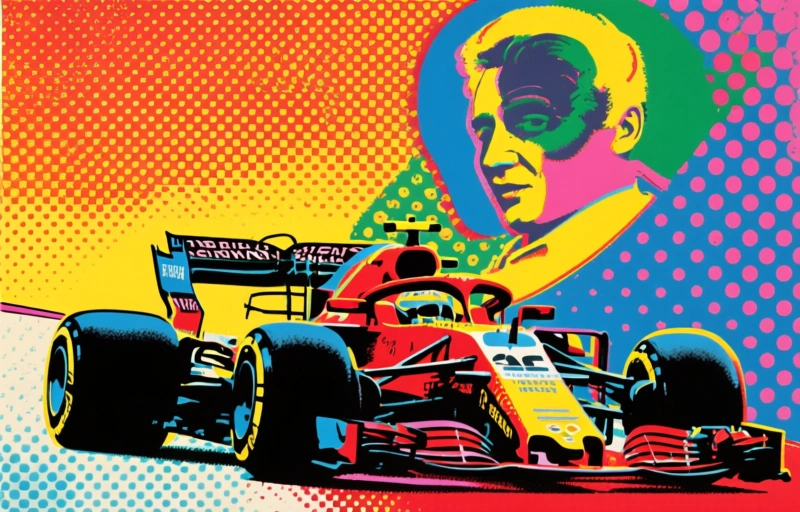
The FIA is tackling F1's entertainment issues by fixing technical problems like super-clipping and erratic power delivery in hybrid systems. Their goal? Smoother, more predictable racing that puts driver skill front and center.
Let's talk about Formula 1's entertainment problem. It's been a hot topic for years, hasn't it? Fans want more wheel-to-wheel racing, more drama, more unpredictability. But the technical side of the sport sometimes gets in the way of that pure spectacle.
I was reading about this recently, and it got me thinking. The FIA, that's the governing body of motorsport, has been looking at some specific technical issues that might be making races less exciting than they could be. They're focusing on what they call 'super-clipping' and 'erratic power delivery' in the hybrid power units.
### What's This Super-Clipping Thing Anyway?
Okay, so super-clipping. Sounds technical, right? Let me break it down like we're chatting over coffee. Imagine you're driving your car and you press the accelerator, but instead of smooth power, you get this jerky, on-off sensation. That's kind of what happens with these hybrid F1 power units when they manage their energy deployment.
The systems are so efficient at harvesting and deploying energy that sometimes they cut power too aggressively. Drivers describe it as feeling like the car is 'hiccuping' down the straight. It's not smooth, and it can actually make the cars harder to drive consistently close to each other.

### The Power Delivery Puzzle
Then there's the erratic power delivery. These modern F1 cars are incredibly complex machines with hybrid systems that combine internal combustion engines with energy recovery systems. Sometimes, the transition between different power modes isn't seamless.
- Drivers might get unpredictable power surges
- The car's behavior can change unexpectedly mid-corner
- Overtaking becomes more about managing systems than pure racing skill
It's like trying to have a conversation with someone who keeps changing the volume of their voice randomly. You can still communicate, but it's frustrating and inefficient.
### How The FIA Plans to Fix This
The FIA isn't just sitting around complaining about these issues. They're actively working on technical regulations and software controls that would smooth out these power delivery problems. They want to make the cars more predictable for drivers and create better racing conditions.
Think of it this way: they're trying to take the 'artificial' feel out of the racing. When a driver follows another car closely, they shouldn't be fighting their own power unit as much as they're fighting the car in front. The FIA believes that by solving these technical glitches, we'll see more natural, flowing racing.
One insider put it perfectly: "We're not trying to dumb down the technology. We're trying to make the technology serve the racing, not the other way around."
### What This Means for Fans
For us watching at home or at the track, these changes could mean more exciting races. More battles that last multiple laps. More opportunities for drivers to show their skill rather than just manage complex systems. The goal is to put the 'sport' back in motorsport.
It's not about making the cars slower or less advanced. It's about making sure that advancement translates to better entertainment. After all, what's the point of having the most technologically advanced racing cars in the world if the racing itself isn't compelling?
The FIA's approach is interesting because it shows they're listening to both the teams and the fans. They're trying to balance technical innovation with sporting spectacle. It's a tough line to walk, but an important one.
### Looking Ahead to Better Racing
Will these changes solve all of F1's entertainment problems overnight? Probably not. Racing will always have elements that are outside anyone's control - weather, safety cars, individual driver mistakes. But by smoothing out these technical inconsistencies, the FIA is removing artificial barriers to good racing.
What I find most encouraging is that this isn't about gimmicks or artificial excitement. It's about fixing genuine technical issues that have been making racing harder than it needs to be. When drivers can trust their cars to behave predictably, they can push harder, take more risks, and give us the kind of racing we all want to see.
So next time you're watching a Grand Prix and wondering why two cars aren't battling as closely as you'd like, remember there's a whole team of engineers and regulators working behind the scenes to make those battles happen more often. The road to better racing is paved with technical solutions to problems most of us never even knew existed.