How Clipping Fuels Black Market Ads
Felix Braun ·
Listen to this article~4 min
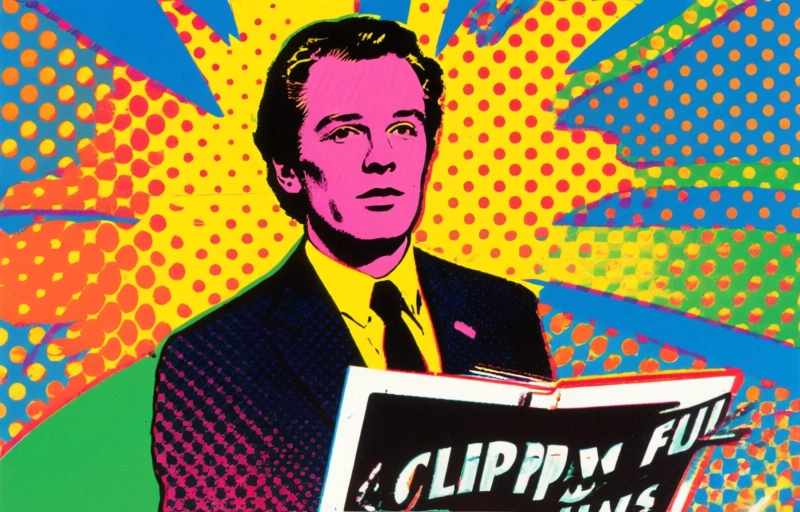
Clipping is a new tactic where stolen content from trusted sources is used to promote black market ads. Learn how it threatens your brand and what you can do to protect your reputation.
### The Rise of a New Advertising Threat
You might think black market advertising is all about shady back-alley deals or spam emails. But there's a new trick in town, and it's called "clipping." It's a technique that's quietly reshaping how illegal ads get placed. And it's a growing headache for legitimate businesses.
So what exactly is clipping? It's when someone takes a snippet of content from a reputable source—like a news article—and repurposes it to promote a product or service without permission. Think of it as digital theft with a marketing twist. The stolen content gets used to make an ad look trustworthy, even when it's pushing something sketchy.
### Why Clipping Works So Well
Here's the thing: people trust familiar voices. When an ad looks like it came from a trusted news outlet, it's easier to click. Clipping exploits that trust. The bad actors don't need to create original content. They just borrow yours.
- It's cheap and fast to execute.
- It bypasses many ad network filters.
- It leverages the credibility of established brands.
This isn't just a minor annoyance. It's a systemic issue that can damage your brand's reputation. If someone clips your content to promote a scam, your name gets tied to it. And cleaning up that mess is tough.
### The Toll on Legitimate Marketers
For professionals in media monitoring and press clipping, this is a double-edged sword. On one hand, you're tracking where your brand appears. On the other, you're seeing it pop up in places you never approved. The average business spends thousands of dollars a year just trying to police this.
Imagine you're a small marketing team. You've got a budget of maybe $5,000 a month for ads. Suddenly, a competitor—or worse, a scammer—uses your clipped content to run a fake campaign. Your hard-earned trust gets hijacked. And you're left scrambling to explain to customers why your logo is on a dodgy site.
### How to Protect Your Brand
So what can you do? First, invest in a solid press clipping tool that alerts you to unauthorized uses of your content. Many services now offer real-time monitoring. They can flag suspicious activity before it spirals.
Second, set up clear guidelines for content usage. Make it known that any unlicensed use will be pursued. This won't stop everyone, but it creates a paper trail.
> "The best defense is a good offense. If you're not monitoring, you're inviting trouble."
Finally, work with your legal team to draft takedown notices. Quick action can limit the damage. In some cases, you might even recover lost revenue.
### The Bigger Picture
Clipping isn't going away. As long as there's money in black market ads, people will find ways to exploit trust. But by staying vigilant and using the right tools, you can keep your brand safe.
Remember: your reputation is your most valuable asset. Protect it like you would any other investment. And if you see something off, don't ignore it. Act fast.
This is a wake-up call for anyone in media or advertising. The tools we use to track our presence are the same ones that can help us fight back. Use them wisely.