ICE Agent Hospitalized After Being Clipped by Car in Shooting Incident
Emily Taylor ·
Listen to this article~4 min
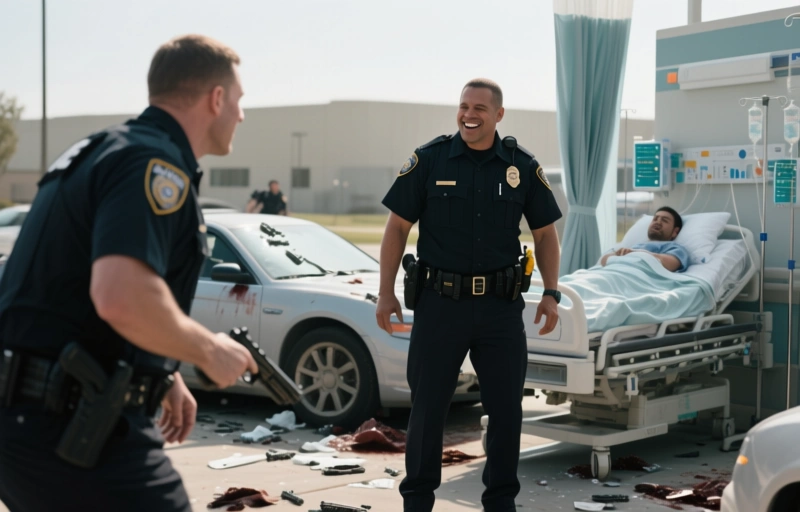
An ICE agent was hospitalized with internal bleeding after being struck by a vehicle during an encounter with Renee Good. The DHS-confirmed incident raises questions about enforcement protocols and split-second decisions.
Let's talk about something that happened recently that's got a lot of people talking. It's one of those stories where the details are still coming out, and honestly, it's a bit of a mess to piece together. You've probably seen the headlines, but what's really going on here?
An ICE agent was involved in a shooting incident with a woman named Renee Good. The agent ended up in the hospital with internal bleeding. According to reports, this happened after Good clipped the agent with her car. That's the basic outline, but there's always more to these situations than what makes the initial news cycle.
### What We Know About the Incident
First things first, let's break down what's being reported. The Department of Homeland Security confirmed the agent's injuries. Internal bleeding is serious stuff—it's not a surface wound or a simple bruise. It means something inside was damaged enough to leak blood, and that requires immediate medical attention.
The agent was hospitalized, which tells us the injuries were significant enough to warrant more than just a quick ER visit. When someone is admitted, doctors are monitoring them, running tests, making sure there's no hidden damage getting worse.
Now, about the "clipped him with a car" part. That phrasing does a lot of work. It suggests contact, but maybe not a full-on, high-speed impact. It could have been a side-swipe, a bump, or the agent being struck while standing or moving near the vehicle. The exact mechanics matter because they speak to intent and circumstance.
### The Broader Context of Enforcement Encounters
This isn't happening in a vacuum. Encounters between law enforcement and civilians are under a microscope these days. Every action is scrutinized, every use of force questioned. When a weapon is discharged, it automatically escalates the situation to a whole other level of investigation and public interest.
We have to consider:
- The protocols agents follow in tense situations
- The split-second decisions that get made under pressure
- The aftermath for everyone involved—physical injuries, legal proceedings, emotional trauma
It's easy to jump to conclusions based on a headline, but the full picture is usually more complicated. There will be investigations, statements, and probably conflicting accounts. That's just how these things go.
### Why This Story Resonates
Stories like this hit a nerve because they touch on several hot-button issues all at once. Immigration enforcement, use of force, civilian encounters with authorities—it's a potent mix. People have strong feelings about these topics, and an incident like this becomes a flashpoint for broader debates.
What I find myself thinking about is how these situations unfold in real time. There's no rewind button, no chance to think it through with a clear head after the fact. The agent, the driver—they're both making decisions based on whatever information and instincts they have in that moment.
As more details emerge, we'll get a clearer picture. But for now, we're left with more questions than answers. What led to the initial confrontation? What was the sequence of events? How are both parties doing now?
One thing's for certain: this won't be the last we hear about it. These cases have a way of working through the system slowly, with new developments popping up when you least expect them. I'll be keeping an eye on this one, and I suggest you do too if you're following how these complex enforcement situations play out in real life.
Remember, behind every headline there are real people dealing with real consequences. That's worth keeping in mind as the story develops.