Iran's Strategic Moves: Cutting Arms and Clipping Claws
Felix Braun ·
Listen to this article~5 min
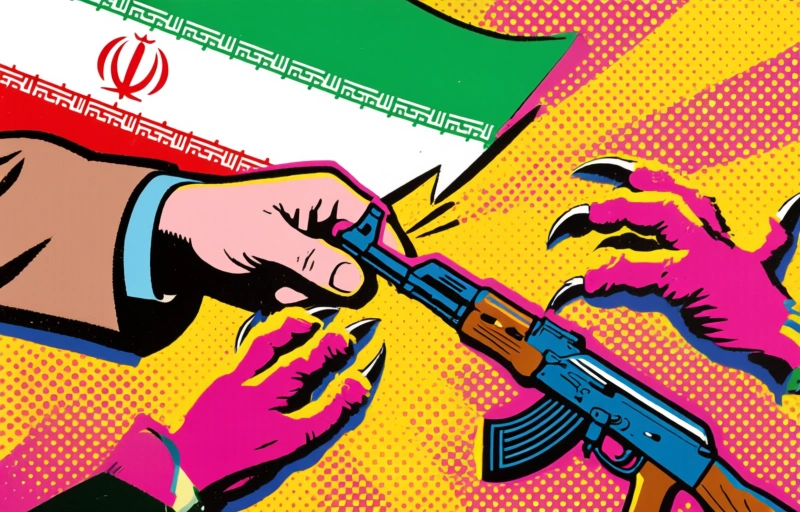
An analysis of Iran's strategic "cutting arms and clipping claws" approach to regional influence, examining what these metaphors mean for power dynamics, global energy markets, and international diplomacy.
Let's talk about what's happening in Iran. You've probably seen the headlines, but what does it all really mean when they talk about "cutting off arms" and "clipping claws"? It's not about literal limbs, of course. We're talking about strategic power plays in a region that's always on the edge.
I was reading through some analysis the other day, and it struck me how much of this comes down to influence. Iran's been playing a long game for decades, and their current moves are about reshaping their sphere of control. Think of it like pruning a tree—you cut back the branches that are growing too wild to direct the energy where you want it to go.
### What Does "Cutting Arms" Really Mean?
When analysts use this phrase, they're usually referring to Iran's efforts to limit the operational capabilities of rival groups or even their own proxies when those proxies start acting too independently. It's a delicate balance. Iran supports various groups across the Middle East, but maintaining control is a constant challenge. If a group gets too powerful or too bold, it can create problems Iran didn't sign up for.
They're not just randomly hacking away. There's a method here. The goal is to reduce external threats while consolidating power internally. It's about creating a more manageable, predictable environment. For a country facing economic pressures and international scrutiny, predictability is worth its weight in gold.
### The "Clipping Claws" Strategy
This part is fascinating. "Clipping claws" is about reducing the offensive potential of adversaries without necessarily eliminating them entirely. Why not eliminate them? Because sometimes a weakened opponent is more useful than a defeated one. A defeated enemy creates a power vacuum. A weakened enemy serves as a warning to others and can sometimes even be brought to the negotiating table.
Iran's preferred scenario seems to be one where regional rivals are contained but not destroyed. It allows for a certain stability, even if it's an uneasy one. They're aiming for a landscape where they hold significant sway without triggering a full-blown conflict that would draw in global powers. It's a tightrope walk, and they've gotten pretty good at it over the years.
Here's what this strategy often looks like in practice:
- Applying diplomatic and economic pressure behind the scenes
- Using intelligence operations to disrupt rival plans
- Providing just enough support to allied groups to maintain leverage, but not so much that they become uncontrollable
- Engaging in indirect confrontations to test responses without committing to all-out war
It's a complex, multi-layered approach. One energy sector advisor put it well: "They're not looking for a knockout punch. They're playing for points over the full twelve rounds, hoping to win on the judges' scorecards." That means a long, grinding contest of influence rather than a dramatic, decisive battle.
### Why This Matters for the Global Stage
You might be wondering why any of this should matter to someone outside the region. Here's the thing: energy markets hate uncertainty. When Iran makes these calculated moves, it sends ripples through oil and gas markets. A sudden tension spike can add $5 to $10 to the price of a barrel of oil overnight. For businesses and consumers in the United States and around the world, that translates directly to prices at the pump and for heating homes.
Furthermore, this strategy impacts global diplomacy. Major powers have to constantly adjust their approaches based on whether Iran is escalating or de-escalating tensions. It affects arms deals, sanctions policies, and international agreements. Understanding Iran's preferred scenario—this careful calibration of pressure and restraint—is key to predicting their next move.
So next time you see a cryptic headline about Iran "clipping claws," you'll know it's not about animal anatomy. It's about the meticulous, often ruthless, calculus of power in one of the world's most volatile regions. They're playing chess while many others are playing checkers, thinking several moves ahead in a game where the stakes couldn't be higher.