Music Marketing 2026: Beyond Authenticity to Fan Connection
Emily Taylor ·
Listen to this article~4 min
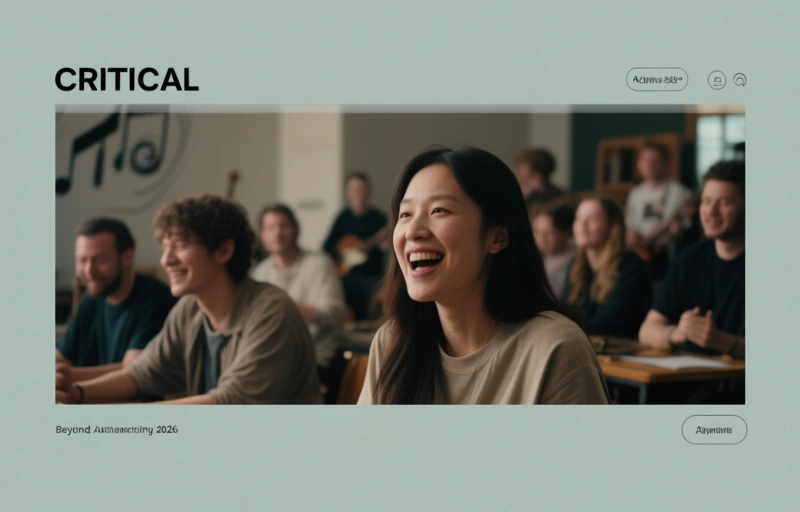
Explore how music marketing is evolving beyond manufactured authenticity toward genuine fan connection through clipping content and interactive experiences that prioritize fun over traditional promotion.
Let's talk about where music marketing is heading. It's 2026, and the old playbook just doesn't cut it anymore. You know what I mean—the perfectly curated artist persona, the scripted social media posts, the whole 'authenticity' thing that started feeling... well, manufactured.
We've moved past that. We're in what some are calling the 'post-authenticity' era. It's not about pretending to be real anymore. It's about actually being real, in all the messy, unpolished ways that genuine connection requires.
### The Rise of Clipping Content
Here's where things get interesting. Short-form video isn't just for dancing anymore. We're seeing artists share raw clips from the studio, quick lyric snippets, behind-the-scenes moments that feel truly off-the-cuff. This isn't about production value. It's about immediacy.
Think about it. A fifteen-second clip of an artist working through a chord progression at 3 AM. A quick video of them reacting to fan covers of their songs. These moments create intimacy at scale. They make fans feel like they're in the room, part of the creative process.
- **Micro-moments over mega-campaigns**: Instead of big album rollouts, we're seeing constant, small connections
- **Platform-agnostic sharing**: The same raw clip might appear on TikTok, Instagram, and emerging platforms
- **Fan-as-co-creator**: Audiences aren't just consuming—they're remixing, responding, and shaping the narrative
### Making Marketing Actually Fun
Remember when marketing felt like work? For both artists and fans? That's changing too. The goal now is to make the entire experience enjoyable. We're talking about interactive listening parties, gamified album releases, and community-driven projects that feel more like play than promotion.
One artist recently hid QR codes in physical album sleeves that led to exclusive acoustic versions. Another created a virtual scavenger hunt across social platforms to unlock new singles. It's marketing, sure, but it doesn't feel like marketing. It feels like being part of something special.
> "The best marketing doesn't feel like marketing at all. It feels like friendship, like shared discovery, like being let in on a secret."
### What This Means for Professionals
If you're working in this space, your role is shifting. You're less of a gatekeeper and more of a facilitator. Your job is to create the conditions for genuine connection to happen, then get out of the way. It's about strategy, sure, but it's also about intuition and emotional intelligence.
You need to understand platform nuances without being enslaved by algorithms. You need to protect artists' mental health while encouraging vulnerability. You need to measure success not just in streams and sales, but in community strength and emotional resonance.
### Looking Ahead
By 2026, we'll see even more fragmentation—and that's okay. Different artists will connect with different audiences in different ways. The common thread won't be a particular platform or tactic. It will be a feeling. That feeling of being seen, heard, and valued as more than just a consumer.
The tools will keep changing. The platforms will come and go. But that human desire for connection? That's constant. Our job is to build bridges between artists and audiences that feel real, that feel fun, that feel worth crossing.
So take a breath. The pressure to be 'authentic' is lifting. What's replacing it is something more interesting: the freedom to be human, to connect in ways that actually matter, and to remember that at its heart, music has always been about shared experience.