Short-Form Video Clippers: The Internet's New Economy
Felix Braun ·
Listen to this article~5 min
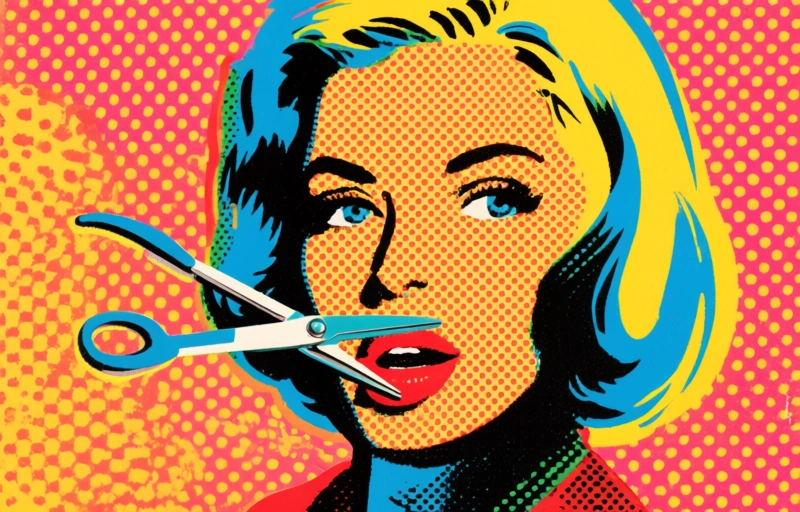
Short-form video clippers are turning snippets of longer content into a booming economy. Learn how this trend works, who profits, and what it means for creators and viewers.
### The Rise of the Clipping Economy
You've probably seen them everywhere. Short clips of longer videos, repackaged and shared across social media. This isn't just random sharing—it's a full-blown economy. The "clipping economy" is how short-form video creators, often called clippers, are reshaping the internet. And it's happening faster than most people realize.
These clippers take snippets from podcasts, interviews, and live streams. Then they post them on platforms like TikTok, Instagram Reels, and YouTube Shorts. The goal? Drive views, engagement, and sometimes even revenue. It's a new way to consume content that fits our busy lives.
### Why Clippers Are Taking Over
There's a simple reason clippers are everywhere: attention spans are shrinking. People don't have time to watch a 60-minute podcast. But a 60-second highlight? That's perfect. Clippers fill this gap by serving up the best moments in bite-sized pieces.
- **Short attention spans**: Most users scroll past anything over a few minutes.
- **Algorithm love**: Platforms reward short, engaging videos with more visibility.
- **Low barrier to entry**: Anyone with a phone and basic editing skills can become a clipper.
This creates a cycle. Clippers get views, which drives traffic back to the original creator. But it also means the original context can get lost. A clip might go viral without the nuance of the full conversation.
### The Business Side of Clipping
Believe it or not, there's real money in clipping. Successful clippers can earn thousands of dollars a month through ad revenue, sponsorships, and affiliate links. Some even build entire channels dedicated to clipping one specific creator.
Take a popular podcast clip that gets 10 million views. The clipper might earn $500 to $1,000 from that single video. Over a year, that adds up fast. It's not uncommon for top clippers to make six figures annually.
But it's not all easy money. Clippers face challenges like copyright claims and platform policy changes. YouTube and TikTok have different rules about reusing content. One wrong move can get your channel flagged or banned.
### The Impact on Original Creators
For the original creators, clipping is a double-edged sword. On one hand, it's free promotion. A viral clip can introduce millions of new fans to their work. On the other hand, clippers often profit without permission. Some creators feel their content is being stolen.
The best approach is collaboration. Many creators now partner with clippers, sharing revenue or giving them official permission. This turns a potential conflict into a win-win. It's a smart move in an economy where attention is the real currency.
### How Clipping Changes Content Discovery
Clipping has also changed how we discover content. Instead of searching for full episodes, people find clips first. If a clip hooks them, they might seek out the original. This is called "clip-first discovery."
For example, a 30-second clip of a comedian's joke can lead someone to watch their entire special. The clip acts like a trailer for the full show. This model works especially well for podcasts, talk shows, and educational content.
But there's a downside. Some viewers only watch the clip and never engage with the full piece. They miss context, depth, and nuance. The conversation becomes shallow, reduced to soundbites.
### What This Means for Media Professionals
If you work in media or marketing, the clipping economy is something you can't ignore. It's not going away. Instead, it's becoming a standard part of how content spreads online.
Here's what you can do:
- **Embrace clipping**: Allow or encourage clippers to share your content.
- **Create your own clips**: Repurpose your longer content into short videos.
- **Track performance**: Use analytics to see which clips drive the most traffic.
By working with the clipping economy instead of against it, you can amplify your reach. Just remember to protect your brand and set clear guidelines.
### Final Thoughts
The clipping economy is here to stay. It's a natural evolution of how we consume media in a fast-paced world. Whether you love it or hate it, understanding it is key to staying relevant.
So next time you see a short clip that makes you laugh or think, take a moment to appreciate the clipper behind it. They're not just stealing attention—they're reshaping the internet, one clip at a time.