Social Media Clipping: What's Real vs. Fake Today
Felix Braun ·
Listen to this article~4 min
Confused by social media clipping? Learn how to spot fake content and use media monitoring tools to verify what's real. Practical tips for professionals.
Have you ever scrolled through social media and felt like you're watching a magic show where nothing is quite what it seems? You're not alone. A recent article from MSN captures this feeling perfectly, talking about how 'clipping' on social media makes us question reality. As someone who spends every day tracking digital content, I get it. The line between authentic and fabricated has never been blurrier.
But here's the thing: this confusion isn't just a personal frustration. For professionals in press clipping and media monitoring, it's a massive challenge. If we can't tell what's real, how can we trust the data we're collecting? Let's break down what's happening and how you can stay ahead.
### The Rise of Digital Clipping
Clipping used to mean physically cutting out newspaper articles. Simple, right? Now, 'clipping' refers to anything from a screenshot of a tweet to a deepfake video. Social media platforms are flooded with snippets that can be edited, taken out of context, or completely fabricated.
Consider this: a 30-second clip of a CEO saying something controversial could be real, or it could be AI-generated. Without proper verification, your media monitoring tools might flag it as a crisis. That's a problem. The key is to use tools that analyze not just text, but also metadata and source credibility.
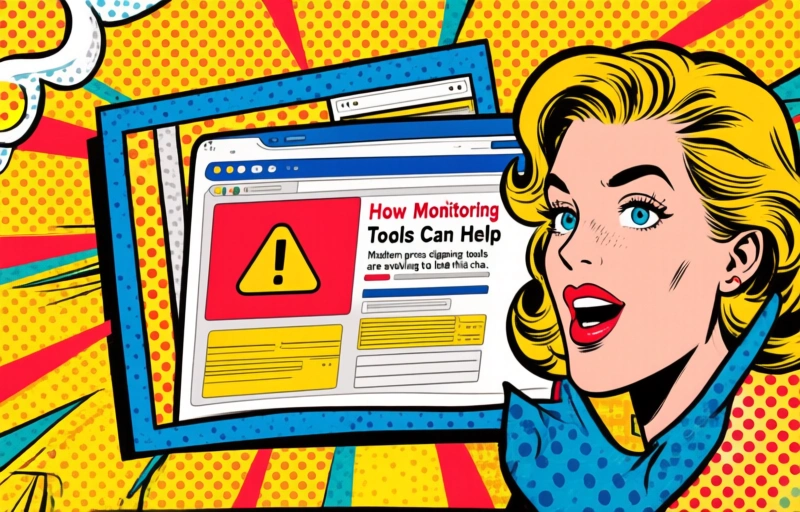
### How Media Monitoring Tools Can Help
Modern press clipping tools are evolving to handle this chaos. Here's what you should look for:
- **Source verification**: Tools that check the original source and publication date.
- **Context analysis**: Features that show surrounding posts or articles to prevent misinterpretation.
- **AI detection**: Some platforms now flag potential deepfakes or manipulated media.
- **Real-time alerts**: So you catch fake clips before they spread.
Remember, no tool is perfect. But combining automated monitoring with human judgment is your best bet. Always double-check anything that seems too shocking or out of character.
### Practical Tips for Professionals
If you're in media monitoring, here are three steps to cut through the noise:
1. **Train your team**: Teach them to spot red flags like unusual timestamps or mismatched branding.
2. **Use multiple sources**: Don't rely on one platform. Cross-reference clips across Twitter, LinkedIn, and news sites.
3. **Set up keyword alerts**: Monitor for terms like 'deepfake' or 'manipulated' alongside your usual keywords.
> "The most dangerous clip is the one that looks completely innocent." – This is a reminder that even a simple screenshot can be altered. Always verify.
### The Bottom Line
Social media clipping isn't going away. In fact, it's getting more sophisticated. But with the right tools and a skeptical eye, you can still get accurate insights. The goal isn't to stop clipping—it's to understand it.
So next time you see a viral clip, pause. Ask yourself: Is this real? Where did it come from? And does it align with what I know? That split second of doubt could save you from a major misstep.
Stay curious, stay critical, and keep monitoring. The truth is out there—you just have to dig a little deeper.