Sport Climbing Fall Leads to Thumb Amputation: The Hidden…
Emily Taylor ·
Listen to this article~4 min
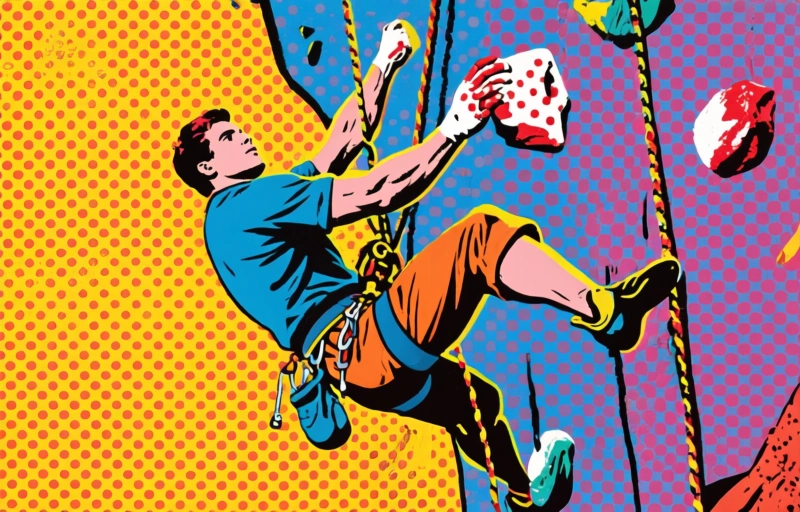
A routine sport climbing fall resulted in a traumatic thumb amputation, revealing hidden risks beyond standard safety protocols. This analysis explores the mechanics and lessons for climbers.
We often talk about sport climbing as being the "safe" discipline. You've got bolts, you've got a rope, you've got a partner. The falls are clean, right? That's the story we tell ourselves. But sometimes, the story takes a sharp, unexpected turn. A recent incident shows just how quickly a routine fall can turn traumatic, ending in a climber losing their thumb. It makes you stop and think. What really happened here, and what can we learn from it?
### The Illusion of a "Normal" Fall
We use that word "normal" so casually. A normal fall is one you walk away from, maybe with a bit of adrenaline and a story for later. It's not supposed to end in surgery. This case shatters that illusion completely. It forces us to look beyond the obvious systems—the rope, the harness, the belayer—and consider the smaller, often overlooked details. The devil, as they say, is in those details. Your hand placement, the rock texture, even the angle of your body during the fall. These micro-factors can converge in a split second with devastating consequences.
### Understanding the Mechanics of Injury
So, how does a fall lead to an amputation? It's rarely one single thing. It's usually a chain reaction. Think about your hand on a hold. You're falling, but your instinct might be to grip tighter, not let go. If your thumb gets caught in just the wrong way—in a pocket, behind a flake, or wedged against the rope—the force of the fall gets transferred directly to that one small joint. The body is moving; the thumb is anchored. Something has to give, and unfortunately, it's often the bone, tendon, and skin. It's a brutal lesson in physics.
Here are a few critical points that often get missed in standard safety talks:
- **The "Catch" Point:** Where and how the rope catches you can twist your body unexpectedly.
- **Peripheral Awareness:** In the moment of a fall, focus is on the big picture, not on where each finger is.
- **Gear Interaction:** Quickdraws, the rope itself, or even your own gear loop can become a snag hazard.
### A Quote to Remember
> "Safety isn't just about the gear you use, but the geometry of your fall."
That quote sticks with me. It sums up the shift in thinking we need. We drill clipping, we check knots, we communicate. But do we ever practice *falling*? I mean, really think about the position of our limbs? Probably not enough.
### Moving Forward with Better Awareness
This isn't meant to scare you off the wall. Climbing is inherently risky, and we accept that. The goal is to manage the risk intelligently. This incident is a stark reminder to add another layer to our mental checklist. Before you push into that redpoint crux, take a second. Scan the route not just for holds, but for potential snags. Consider your body position if you were to peel off right then. Talk with your belayer about fall zones. It's about layering good habits to protect against the unpredictable. Because sometimes, the most traumatic injuries come from the most ordinary moments. Let's make our ordinary moments a little safer.