Stick-Clipping Ethics: When Does Aid Compromise a Climb?
Felix Braun ·
Listen to this article~4 min
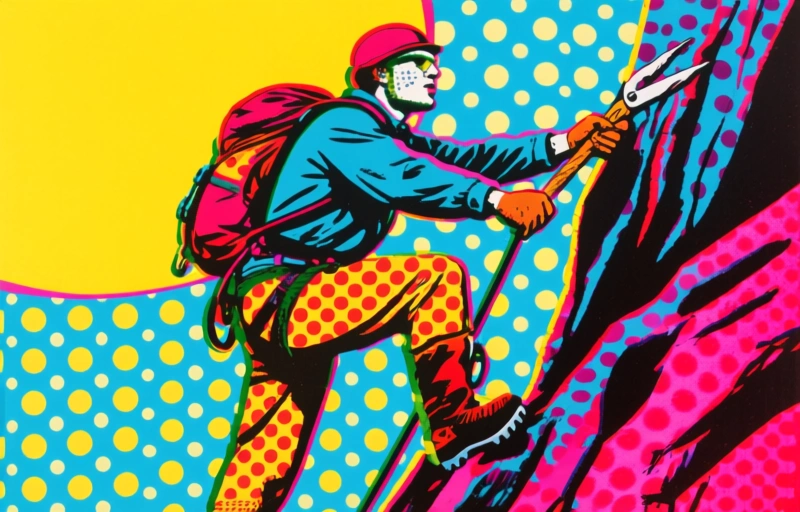
Exploring the ethical gray area of stick-clipping in climbing: when does this safety tool cross from risk management into compromising the spirit of the ascent?
Let's talk about stick-clipping. You know, that long pole with a carabiner on the end that lets you clip the first bolt from the ground. It's a safety tool, right? Absolutely. But here's the thing climbers are quietly debating: at what point does using a stick-clip cross the line from being smart to... well, maybe compromising the spirit of the send?
It's one of those gray areas in climbing that doesn't have a clear rulebook. We all want to stay safe, but we also want to feel like we've earned our ascents. So where's that line?
### The Practical Safety Argument
First, let's be clear about why stick-clips exist. That first bolt can be 15 feet off the deck sometimes. Maybe there's a bad landing, or the moves to that first clip are sketchy. Using a stick-clip in these situations isn't cheating—it's risk management. It's about going home to your family after a day at the crag.
I've seen climbers stick-clip the first three bolts on a route because the opening section was above a nasty boulder field. Can you blame them? Not really. The alternative could be a hospital visit.
### When Does It Feel Like Too Much?
Here's where opinions start to diverge. Some climbers feel that if you can't physically reach the first clip from the ground or a stable stance, then stick-clipping is fair game. Others draw the line much lower.
There's a psychological component too. If you're stick-clipping every single bolt on a route, are you really climbing it? Or are you just following a line of pre-placed protection? The experience changes. The mental game—that feeling of commitment when you're run out between bolts—vanishes.
- It removes the risk assessment of difficult clips
- It changes the character of the route's crux sections
- It can create dependency rather than skill development
### The Community's Unwritten Rules
Climbing has always operated with a mix of written rules and unwritten ethics. Most climbers I've talked to agree on a few things. Stick-clipping the first bolt? Generally acceptable. Stick-clipping through the crux of your project because you're working the moves? That's where eyebrows get raised.
As one veteran climber put it to me recently: 'The question isn't how high you can stick-clip. It's why you're stick-clipping at all. Are you avoiding danger or avoiding difficulty?'
That distinction matters. Danger management is smart climbing. Difficulty avoidance... well, that's a different conversation about what we're trying to accomplish on the rock.
### Finding Your Personal Line
Ultimately, this comes down to personal ethics and goals. Are you climbing for the pure physical challenge? For the adventure? For the grade? Your answer will determine where you draw your stick-clipping line.
Here's what I suggest: be intentional about it. Don't just stick-clip out of habit. Ask yourself why for each route. Is there genuine danger? Or are you just nervous about falling? There's no right answer for everyone, but there should be a right answer for you.
And remember—nobody's keeping score but you. The rock doesn't care how you got to the chains. But you might care, and that's worth listening to. The best climbs are the ones that feel earned, whatever that means for your relationship with the vertical world.