Times Square Subway Tragedy: Man Struck and Killed by Train
Felix Braun ·
Listen to this article~4 min
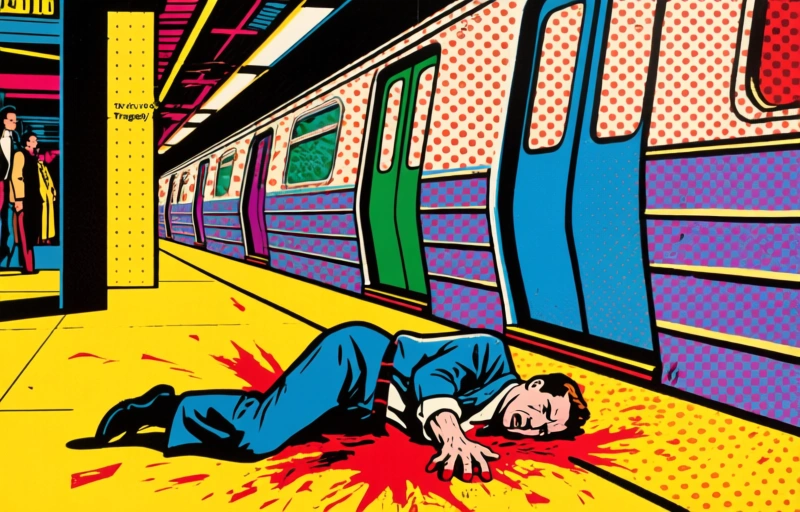
A tragic incident at Times Square subway station highlights critical platform safety issues. Understanding proper distancing from train edges and staying alert can prevent similar tragedies in busy transit hubs.
It's the kind of news that stops you cold. A man on the Times Square subway platform was clipped by a train, dragged under its wheels, and killed. We're talking about one of the busiest transit hubs in the world. The sheer volume of people moving through there every day makes this incident especially chilling.
You can't help but think about the split-second nature of it all. One moment, you're waiting for a train like thousands of others. The next, everything changes. These aren't just headlines—they're real lives, real tragedies that ripple through families and communities.
### Understanding Platform Safety
Let's talk about that yellow line for a minute. You know, the one we're all supposed to stay behind. It's there for a reason, but in crowded stations, it's easy to drift forward without thinking. The platform edge can become dangerously crowded during rush hours.
Trains need space to move safely through stations. That buffer zone isn't just a suggestion—it's a critical safety measure. When we crowd too close to the edge, we're putting ourselves at risk in ways we might not even realize.
### The Human Element in Transit Safety
I was thinking about this the other day while waiting for my own train. People are distracted. They're looking at phones, having conversations, rushing to catch that train they think they might miss. The Metropolitan Transportation Authority has been clear about their safety campaigns, but human behavior is tricky to regulate.
There's a balance between personal responsibility and system design. Yes, we need to pay attention. But transit systems also need to be designed with human nature in mind. Better lighting, clearer markings, maybe even physical barriers in the busiest stations—these things matter.
### What We Can Learn From Tragedies
When something like this happens, it's natural to look for lessons. Here are a few things worth considering:
- Always stay behind the yellow platform edge line
- Keep children close and hold their hands near platform edges
- Don't use headphones at high volume when near tracks
- If you drop something on the tracks, never try to retrieve it yourself
- Report any unsafe conditions or behavior to station personnel
These might seem like simple reminders, but in the hustle of daily commuting, the basics sometimes get overlooked.
### Moving Forward With Awareness
The conversation about subway safety isn't new, but each incident renews its urgency. Transit authorities continuously evaluate safety measures, from public announcements to physical infrastructure improvements. As riders, our role is to stay alert and make safe choices.
I remember reading something a safety expert once said: 'The most dangerous part of any journey is often the part we take for granted.' That stuck with me. Our daily routines can make us complacent, and that's when accidents happen.
Let's make a conscious effort to be present when we're near train tracks. Put the phone away when you're close to the platform edge. Keep your focus on your surroundings. It's not just about following rules—it's about protecting yourself and those around you.
These conversations are difficult, but necessary. By talking openly about safety and learning from tragedies, we honor those affected while working to prevent future incidents. Our transit systems are shared spaces, and keeping them safe is a shared responsibility.