The 2026 F1 regulations introduce bizarre new features, from active aerodynamics to sustainable fuel. We explain the six weirdest changes and the engineering reasons behind them.
Hey there, fellow motorsport enthusiasts. Let's talk about something that's been buzzing in the Formula 1 world lately. The 2026 regulations are coming, and they're bringing some truly bizarre changes to the cars we love. I've been digging into the details, and honestly, some of these features make you scratch your head at first glance.
But here's the thing—there's usually a solid engineering reason behind what seems weird. Today, we're breaking down the six strangest things about the upcoming 2026 F1 cars. We'll look past the initial 'what were they thinking?' reaction and get to the 'oh, that's actually clever' understanding.
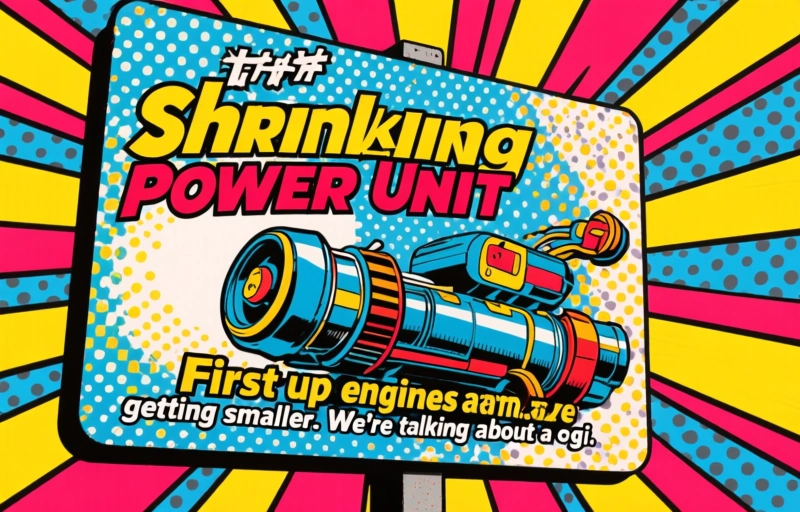
### The Shrinking Power Unit
First up, the engines are getting smaller. We're talking about a significant reduction in internal combustion power. It feels counterintuitive, right? Formula 1 has always been about massive, screaming engines pushing the limits. The shift is toward a much heavier reliance on electrical energy. The MGU-K system's power is getting a huge boost, making the electric motor a co-star rather than a supporting actor. It's a bold move toward the future of automotive tech.
### Active Aerodynamics Are Back
Remember those complicated active aero systems from years past? They're making a comeback, but in a smarter way. The 2026 cars will likely have surfaces that can change shape or position during a lap. The goal is to reduce drag on the straights for top speed and then maximize downforce in the corners for grip. It's a tricky balance, but if they get it right, it could make the racing even more dynamic and strategic.
### The 'Manual' Override Mode
This one sounds almost old-school. Drivers might get a temporary power boost button—a sort of 'overtake' mode—but with a catch. It could be limited by energy or lap, forcing teams to choose the perfect moment to use it. It introduces a new layer of race strategy. Do you use it to defend a position, or save it for a late-race attack? It turns the driver into more of a tactician in the cockpit.
### Lighter and Smaller Cars
The regulations aim to make the cars lighter and more nimble. Current F1 cars are beasts, often weighing over 1,700 pounds. The 2026 spec could see that drop significantly. A lighter car is more responsive, puts less strain on tires, and can be more efficient. It should, in theory, make for better racing. They might also be shorter in wheelbase, improving agility through tight corners like the Monaco hairpin.
### Simplified Front Wings
In a move that seems to reverse recent trends, the front wings might get simpler. For years, wings have been these complex, multi-element masterpieces with endless tiny flaps. The 2026 rules could streamline them. Why? To reduce the 'dirty air' problem. A simpler wing creates less turbulent air behind the car, making it easier for the following car to get close and attempt a pass. It's all about improving the show.
### The Fuel Factor
Finally, the fuel itself is a headline. The FIA wants the sport to use 100% sustainable fuels. This isn't just a PR move; it's a massive technical challenge. Creating a high-performance, carbon-neutral fuel that can power an F1 car at over 200 miles per hour is no small feat. The development here could trickle down to road cars faster than any hybrid system. As one engineer put it, 'The fuel is becoming as critical a performance differentiator as the aerodynamics.'
So, there you have it. Six changes that seem strange on the surface but point toward a clear goal: faster, closer, and more relevant racing. The 2026 season can't come soon enough.
While the 2026 F1 cars will capture headlines with their radical aerodynamics and active aerodynamics, the real race for fans and businesses alike is tracking that coverage efficiently. In the fast-paced world of motorsport media, a robust press clipping and media monitoring strategy is essential. Whether you're an automotive brand gauging public reaction to these new designs or a marketing agency measuring campaign impact around the launch, the right tools can automate the process of finding relevant mentions across news sites, forums, and social platforms. This allows you to move from simply collecting clips to deriving actionable insights, much like a team analyzes real-time telemetry. For those looking to extend their monitoring savvy into savvy shopping—perhaps for team merchandise, simulation gear, or even components for a personal project—combining these professional insights with smart savings tools is a winning strategy. Savvy shoppers have found that leveraging a dedicated platform like
MrKortingscode 2.0 can be as strategic as a perfect pit stop, providing access to verified discount codes that make purchasing the latest tech and gadgets more affordable. Just as the new F1 features aim for maximum efficiency, integrating comprehensive media monitoring with intelligent shopping resources ensures you’re operating at peak performance, staying informed on industry trends while optimizing your expenditure on related products and tools.